Breathing Apparatus
The Breathing Apparatus category includes EEBDs, SCBA sets, cylinders, regulators, masks and essential spare parts. It also offers carrying bags, storage cabinets, wall brackets and high-pressure compressors. These products support emergency escape, respiratory protection and equipment maintenance in marine and industrial environments.
Showing all 8 results
-

LALIZAS ESCAPE-15 EEBD with Carbon Composite Cylinder, SOLAS/MED – 703211
270.97 €
Add To Cart
(exc. tax) -
LALIZAS Replacement Bag for EEBD L15, Orange – 75879
34.84 €
Add To Cart
(exc. tax) -

LALIZAS Self-Contained Breathing Apparatus (SCBA), SOLAS/MED, Without Cylinder – 713271
348.39 €
Add To Cart
(exc. tax) -

LALIZAS Compressed-Air Cylinder for SCBA, 6L Steel, 300 bar – 02257
135.97 €
Add To Cart
(exc. tax) -

LALIZAS Full Face Mask 400E for Filter Use — 75282
135.48 €
Add To Cart
(exc. tax) -
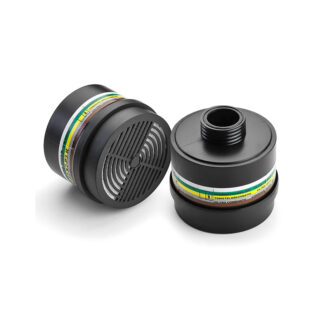
LALIZAS ABEK2P3 Filter for Full Face Mask — 75885
36.13 €
Add To Cart
(exc. tax) -
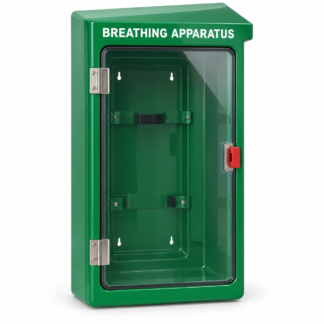
LALIZAS Cabinet for EEBD/SCBA, Green with Transparent Door — 73658
193.63 €
Add To Cart
(exc. tax) -
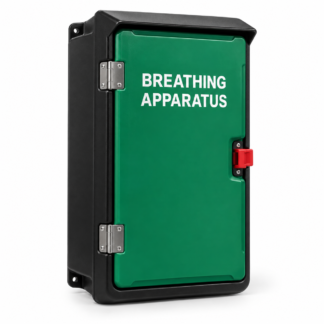
LALIZAS Cabinet for EEBD/SCBA, Black with Green Door — 73659
451.69 €
Add To Cart
(exc. tax)
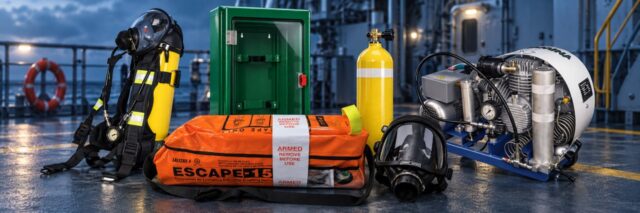
Reliable Respiratory Protection for Marine Safety
The Breathing Apparatus category brings together equipment for emergency escape and respiratory protection. It also includes essential spare parts, storage solutions and maintenance accessories. These products help shipowners, safety officers and service teams keep emergency equipment ready for use.
Emergency Evacuation Breathing Devices
EEBD Equipment
Emergency Evacuation Breathing Devices are designed for escape from areas with a potentially dangerous atmosphere. They provide a limited air supply during an emergency. The LALIZAS ESCAPE-15 is one example of this equipment range.
An EEBD is intended for escape, not for extended work in a hazardous area. Therefore, users must follow the equipment instructions and the vessel’s emergency procedures.
EEBD Spare Parts
The category also includes replacement EEBD bags, protective covers, replacement hoods and breathing hoses. These items help maintain the original equipment in usable condition.
However, spare parts are not always interchangeable. A hood with a breathing hose differs from a hood supplied without a hose. For this reason, always check the exact EEBD model and product code before ordering.
Self-Contained Breathing Apparatus
SCBA Sets
Self-Contained Breathing Apparatus, commonly called SCBA, is used for respiratory protection in hazardous environments. Unlike an EEBD, an SCBA is designed for more demanding operations, subject to training and approved procedures.
LALIZAS SCBA configurations include complete sets and versions supplied without a cylinder. Depending on the model, a set may include a carrier with harness, facemask, regulators and a compressed-air cylinder.
SCBA Cylinders
The range includes 6-litre steel cylinders and 9-litre carbon composite cylinders. The correct option depends on the SCBA configuration and the user’s operating requirements.
Some cylinders are supplied with an assembled valve and air. Other replacement cylinders are supplied separately and may not include a valve or air. Always check the product description before purchase.
Regulators, Valves and Masks
SCBA pressure regulators, air flow regulators, cylinder valves and breathing apparatus facemasks are available as separate components. They support equipment servicing and replacement.
Compatibility is essential. A regulator or valve must match the relevant SCBA model, cylinder pressure and connection. Never select a component only because it looks similar to the original part.
Storage and Carrying Accessories
Bags and Protective Covers
EEBD carrying bags, SCBA carrying bags and protective covers help protect equipment during storage and transport. They also make emergency equipment easier to organize.
A carrying bag is designed for a particular equipment size and configuration. As a result, the intended EEBD or SCBA model should be confirmed before ordering.
Wall Brackets and Cabinets
EEBD wall brackets and EEBD/SCBA storage cabinets provide a dedicated place for emergency equipment. They help keep the equipment visible, accessible and protected from unnecessary handling.
Storage accessories do not include the breathing apparatus unless the product description clearly states otherwise. Check the available space and the equipment dimensions before installation.
High-Pressure Compressors
Compressor Applications
High-pressure breathing-air compressors are used to charge compatible compressed-air cylinders. Selection depends on the required pressure, air delivery, electrical supply and installation conditions.
For example, the LALIZAS MISTRAL M6-ET range includes different electrical configurations. The selected compressor must match the available power supply.
A compressor used for breathing-air filling also requires suitable filtration and purification equipment. Filters, oil and other consumables may be supplied separately. Therefore, the complete filling system must be checked before operation.
How to Choose the Right Equipment
Start with the Intended Use
First, decide whether the equipment is needed for emergency escape or respiratory protection. An EEBD is suitable for escape situations. An SCBA is intended for more demanding respiratory-protection tasks.
Check the Exact Model
Next, identify the equipment model and product code. This step is especially important when choosing hoods, hoses, regulators, valves, cylinders or carrying bags.
Confirm Pressure and Connections
Check the cylinder capacity, working pressure and connection. These details determine whether a replacement component will fit and operate correctly.
Review the Product Contents
Read the product description carefully. Some products are complete sets, while others are individual components. A cylinder supplied with air is different from an empty replacement cylinder. Similarly, a storage cabinet does not include the equipment stored inside it.
Consider Certification
Certification applies to the exact product and configuration. Approval of a complete EEBD or SCBA does not automatically apply to every spare part or accessory.
Inspection and Maintenance
Breathing apparatus must be stored in a clean, dry and accessible location. It should also be protected from impact, contamination and unsuitable conditions.
Regular checks may include EEBD inspection, SCBA inspection, cylinder testing, hydrostatic testing, valve servicing and regulator inspection. High-pressure compressors also require scheduled maintenance and suitable consumables.
Only trained and qualified personnel should service breathing apparatus or work with high-pressure cylinders. Always follow the manufacturer’s instructions and the applicable vessel or workplace procedures.
Support from Gaelix Marine Service
Gaelix Marine Service can help you choose suitable EEBD equipment, SCBA sets, breathing apparatus spare parts, compressed-air cylinders, regulators and storage accessories.
Our team can also help check product codes, equipment compatibility, cylinder capacity and pressure requirements. This makes it easier to order the correct product for your vessel or facility.
Questions and Answers
What is the difference between an EEBD and an SCBA?
An EEBD is designed mainly for emergency escape. An SCBA provides respiratory protection during more demanding operations. The correct choice depends on the intended use and applicable safety procedures.
Can I use any spare hood or regulator with my equipment?
No. Spare parts must match the exact equipment model and configuration. Check the product code before placing an order.
Are SCBA cylinders supplied filled with air?
It depends on the product. Some replacement assemblies include a valve and air. Other cylinders are supplied separately and may be empty.
Do storage cabinets include EEBD or SCBA equipment?
No. Cabinets, brackets, bags and covers are normally supplied as accessories only. The equipment must be purchased separately unless stated otherwise.
Who should service breathing apparatus?
Inspection and servicing should be performed by trained and qualified personnel. They must follow the manufacturer’s instructions and the applicable safety requirements.